Lucky Undies, Midnight Spins, and Rabbit's Feet: The Truth About Casino Superstitions
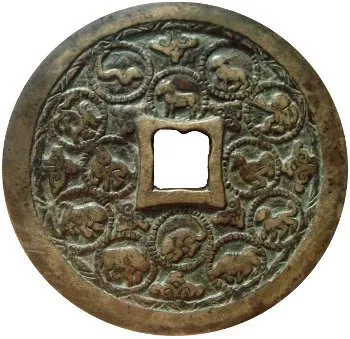
Photo: Unknown authorship, made either during the Jurchen Jin (金 1115-1234) or Mongol Yuan (元 1271-1368) dynasties., Public domain, via Wikimedia Commons
There's a player somewhere in suburban Brisbane right now who will not — under any circumstances — start a session without first making a cup of tea, sitting in a specific chair, and placing their phone at exactly the same angle on the desk. They've been doing this for two years. They're convinced it works.
We're not here to judge. Honestly, we find it kind of brilliant.
Aussies have always had a colourful relationship with luck. We're a nation that bets on everything from the Melbourne Cup to which raindrop will reach the bottom of the window first. So it's no surprise that when we moved our gambling habits online, we brought a whole suitcase of rituals with us. The question is: which of these habits are harmless fun, which ones might actually have a psychological upside, and which ones are quietly bleeding your bankroll dry?
Let's sort through the lot.
The Greatest Hits of Aussie Casino Superstitions
We put the word out across some Australian gaming communities and asked players to share their rituals. The responses were, genuinely, a delight.
The Wardrobe Warriors — A surprisingly large number of players have a lucky item of clothing. Socks came up a lot. One player in Melbourne swears by a faded Essendon jersey. Another from Perth mentioned a specific pair of thongs (the footwear kind, before anyone gets ideas). The logic, loosely, is that they were wearing the item during a big win, so the clothing must carry some residual good fortune.
The Time Believers — Plenty of players are convinced that certain times of day or week are luckier than others. Tuesday evenings and Sunday mornings were mentioned repeatedly. The theory usually involves other players being less active, which — interestingly — is the one superstition that has a sliver of logic behind it, though not quite in the way believers think.
The Ritual Openers — Some players have elaborate pre-session routines. A specific song played first. A particular snack consumed. Logging in and out once before actually starting. These feel more like warm-up routines than genuine luck-seeking behaviour, and they might actually serve a useful psychological purpose (more on that shortly).
The Number Devotees — Choosing bets based on favourite numbers, refusing to play certain slot lines because they feel "wrong," always starting with the same deposit amount. Numbers carry serious emotional weight for a lot of players.
What the Psychology Actually Says
Here's where it gets interesting. Psychologists who study superstitious behaviour — and there are quite a few of them — will tell you that the belief in lucky rituals isn't really about the ritual itself. It's about control.
Casino games, by design, are random. That randomness is uncomfortable for human brains, which are essentially pattern-recognition machines that evolved to find meaning in chaos. When we can't control outcomes, we invent the illusion of control. Lucky socks become a way of feeling like we have some agency in a situation that's fundamentally unpredictable.
Research from the University of Cologne found that activating a superstition — telling someone their lucky charm was with them — actually improved performance in tasks requiring skill, like golf putting or memory games. The theory is that superstitions boost confidence, and confidence genuinely helps with skill-based tasks.
The catch? Pokie machines and roulette wheels don't care about your confidence. They run on Random Number Generators. The lucky jersey has zero influence on whether the reels land in your favour.
But — and this is genuinely worth noting — if your pre-session ritual puts you in a calm, focused headspace, that does matter. Not because it changes the odds, but because emotional regulation affects decision-making. A player who's relaxed and centred is less likely to chase losses or make impulsive bets.
When Harmless Quirks Become Expensive Habits
This is the part we need to talk about honestly.
Most superstitions are completely harmless. Wearing your lucky socks costs nothing. Listening to a favourite song before you play is fine. These are just ways of creating a comfortable routine around something you enjoy.
The line gets crossed when the superstition starts dictating financial decisions.
Watch out for these patterns:
-
The "due" fallacy dressed up as superstition. Believing a machine is "ready to pay" because it hasn't in a while, and increasing your bets accordingly. This is the gambler's fallacy with a mystical costume on. Each spin is independent. The machine has no memory.
-
Chasing a "lucky" session that's already turned bad. If your ritual is telling you tonight is your night, but you're down $200, the ritual isn't overriding the math. Cutting your losses is still the right move.
-
Avoiding withdrawal because it'll "break the luck." A few players admitted to this one. The idea that cashing out jinxes future sessions is a particularly costly belief to hold onto.
-
Extending sessions to honour the ritual. Playing longer than planned because you haven't completed your superstitious sequence, or because you feel the ritual "owes" you a win. Time limits exist for a reason.
The common thread in all of these is that the superstition is being used to justify behaviour you'd otherwise recognise as problematic. That's when a quirky habit becomes something worth examining.
The Tuesday Night Theory: Is There Anything to It?
Let's revisit the time-of-day believers, because their logic is worth unpacking.
The idea that certain times are luckier usually comes from a misread of personal experience — you happened to win on a Tuesday, so Tuesdays feel lucky. But some players have a more sophisticated version: they believe that off-peak times mean less competition for progressive jackpots, or that casinos adjust their algorithms during quiet periods.
To be direct: reputable online casinos operating in Australia use certified RNGs that don't change based on traffic or time. Jackpot odds don't shift because it's 2am on a Wednesday. The regulatory framework that governs licensed platforms specifically prevents this kind of manipulation.
That said, playing during quieter periods can mean faster customer support response times, and some players simply find they're in a better headspace late at night or early in the morning. Those are real, practical benefits — just not supernatural ones.
How to Keep It Fun Without Letting It Cost You
Here's our honest take: superstitions are part of the texture of gambling culture, and we'd be boring killjoys to tell you to abandon them entirely. If wearing your lucky Wallabies cap makes the session more enjoyable, go for it.
The practical guardrails are the same regardless of what you're wearing:
- Set a session budget before you start, and don't let any ritual convince you to exceed it
- Use the responsible gambling tools available on your platform — session timers, deposit limits, cooling-off periods
- Recognise the difference between a fun ritual and a belief that's influencing your financial decisions
- If a losing session has you doubling down because you're "due" or your ritual "says so," step back
The best version of a casino superstition is one that's purely ceremonial — a little private theatre that makes the experience feel special, with zero actual influence on how you manage your money.
The Verdict
Do lucky rituals work? In the strictest sense — no. A Random Number Generator is indifferent to your socks.
Do they matter? Surprisingly, sometimes yes — but only insofar as they affect your mindset and enjoyment, not the outcome of any given spin.
The Aussie casino superstition scene is genuinely charming. It reflects something real about how we approach a punt — with personality, a bit of theatre, and a willingness to believe in something bigger than the odds. Just make sure the ritual stays in the entertainment column, and the sensible stuff stays in charge of the wallet.
Now if you'll excuse us, we've got a lucky mug of tea to make.